

The Mark Carney government just announced Canada’s first Defence Industrial Strategy, designed to “strengthen security, create prosperity, and reinforce strategic autonomy.”
The Defence Industrial Strategy positions Canadian industry to take advantage of $180 billion in defence procurement opportunities and $290 billion in defence-related capital investment opportunities in Canada over the next 10 years, with an anticipated $125 billion downstream economic benefit by 2035. The Defence Industrial Strategy will create 125,000 high-paying careers, increase our defence exports by 50%, raise the share of defence acquisitions awarded to Canadian firms to 70%, and grow Canadian defence industry revenues by 240%. Within a decade, we will raise maritime fleet serviceability to 75%, land fleets to 80%, and aerospace fleets to 85% to bolster Canadian defence.
This is a game-changing move, both militarily and economically, yet there is an obvious difference between ambitious announcements and breaking ground. And there is a profound difference between money spent and money well spent.
We’re suddenly in one of those ‘get it right and win or screw it up and lose’ moments in time where emerging opportunities—including potential linkages with the European Union and members of the Comprehensive and Progressive Agreement for Trans-Pacific Partnership (CPTPP)—are subject to compressed geopolitical timelines. With regard to defence, for example, the Defence Industrial Strategy isn’t occurring in a vacuum. Canada, European nations, Australia, New Zealand and others have all been shocked into action by virtue of shifts in American policy, war in Ukraine, and escalatory events over Taiwan.
For all of these nations, major announcements at the national level are seismic at the local level. Even assuming that not every defence dollar, pound or Euro is up for grabs, massive opportunities remain for every community willing to put innovation at the head of its agenda. This isn’t idle speculation: the defence industry is a perfect example of massive change on every front, from communications to drones to “algorithm-first” AI defence systems.
While it may remain the case that innovative new technologies designed to protect the home front, transform the battlefield, or guard supply lines are cooked up on a limited scale with a small teams, it takes partnerships, coordination, and capitalization to truly unlock them. This is why, at the local level, innovation readiness leaps to the forefront. The extent to which a community can support defence industry innovators is critical: failure means great ideas die on on the bench or leave for greener pastures. Success means retaining and attracting talent, business, capital and all that means for jobs, quality of life and economic growth.
Inuvik: Creating the Winning Conditions
Inuvik, Northwest Territories, is a great example of a community well-situated to benefit from the increased defence spending. Home to one of many planned Northern Operational Support Hubs, from which Canada will project its Arctic military power, proximity to the existing base already makes Inuvik home to several defence-related businesses, including Pan Arctic Inuit Logistics Corporation (PAIL), Sapujjijiit (owner of the brilliant tagline “Defender of the Arctic”), and Arctic defence company ILS.
The defence spending announcement raises questions for Inuvik’s government, business, academic, and economic development leaders, ones that likely revolve around value-capture issues:
What do we need to do to capture as much defence spending as possible?
What structures (physical, digital, social, capital) do we need to create or improve to take full advantage?
Who needs to be at the table and what roles do they play?
How do we unlock Inuvik’s full economic potential, not just in defence spending, but across the board?
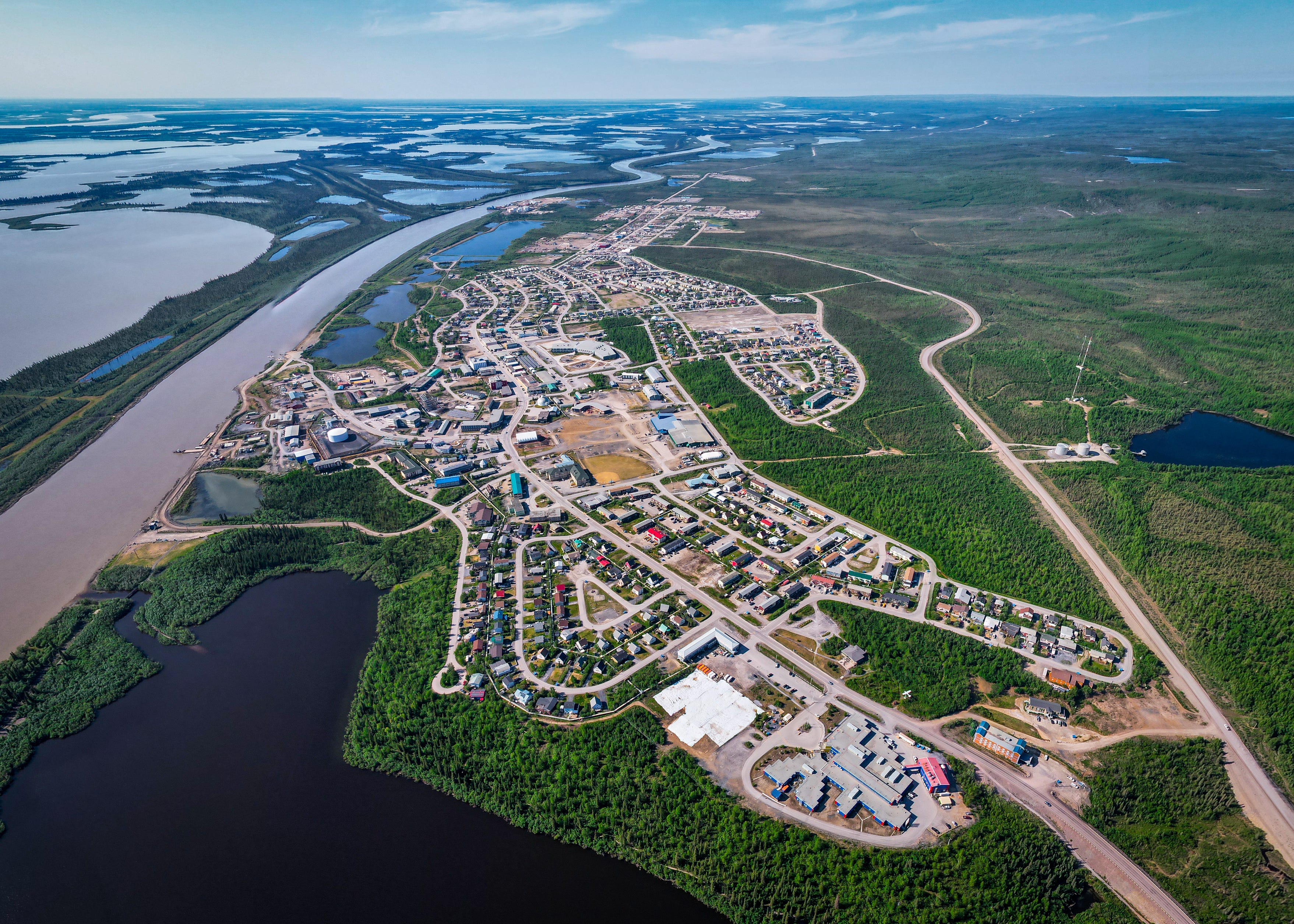
Snapshot: Inuvik
Running a quick innovation ecosystem diagnostic should be among their first steps. A snapshot is useful, particularly understanding the transfer of knowledge among the main players.

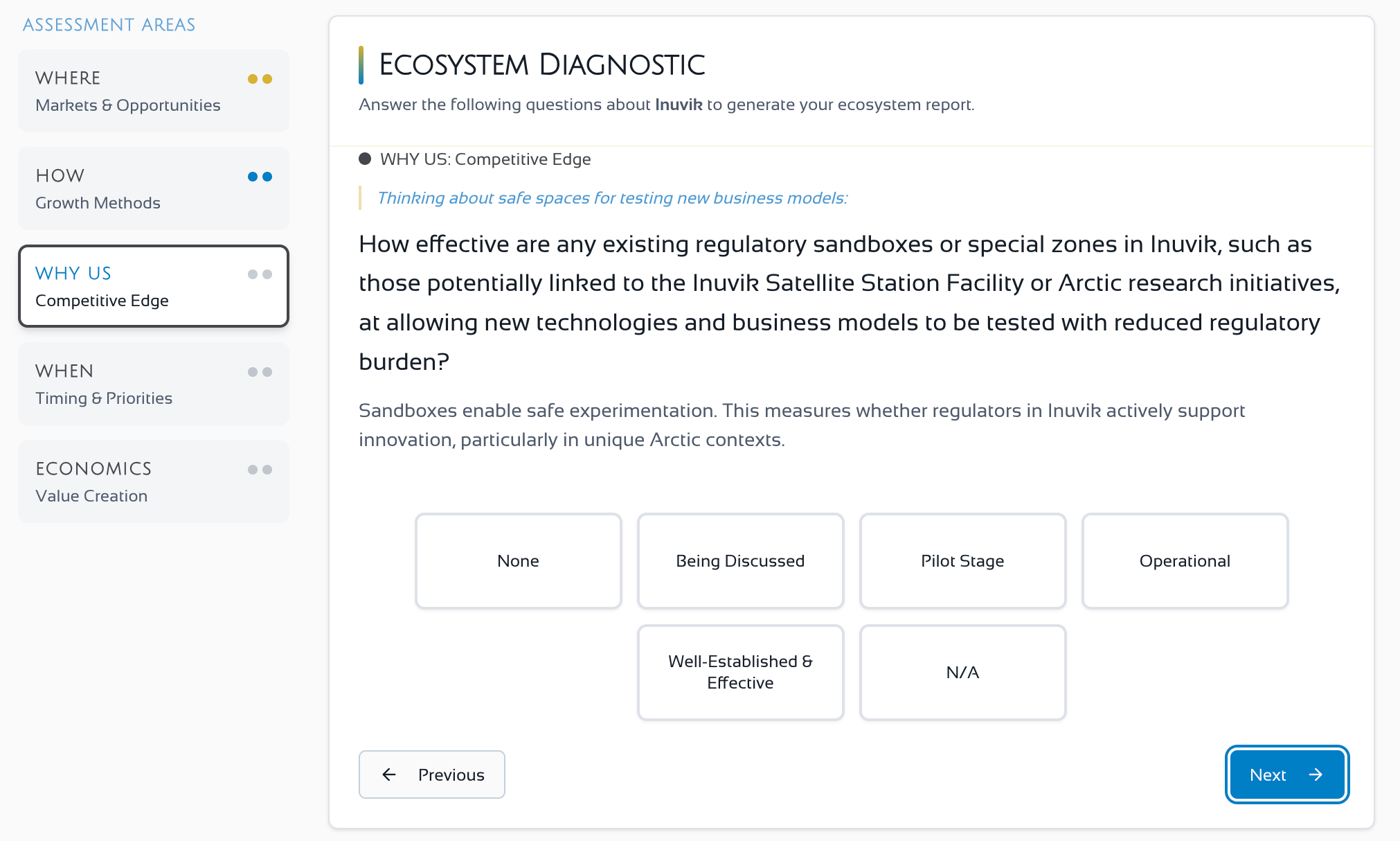
Reducing barriers to innovation is crucial. Places that make it easier for researchers, inventors, and early stage firms to experiment make themselves attractive. Simply put: people come to places where they can build.
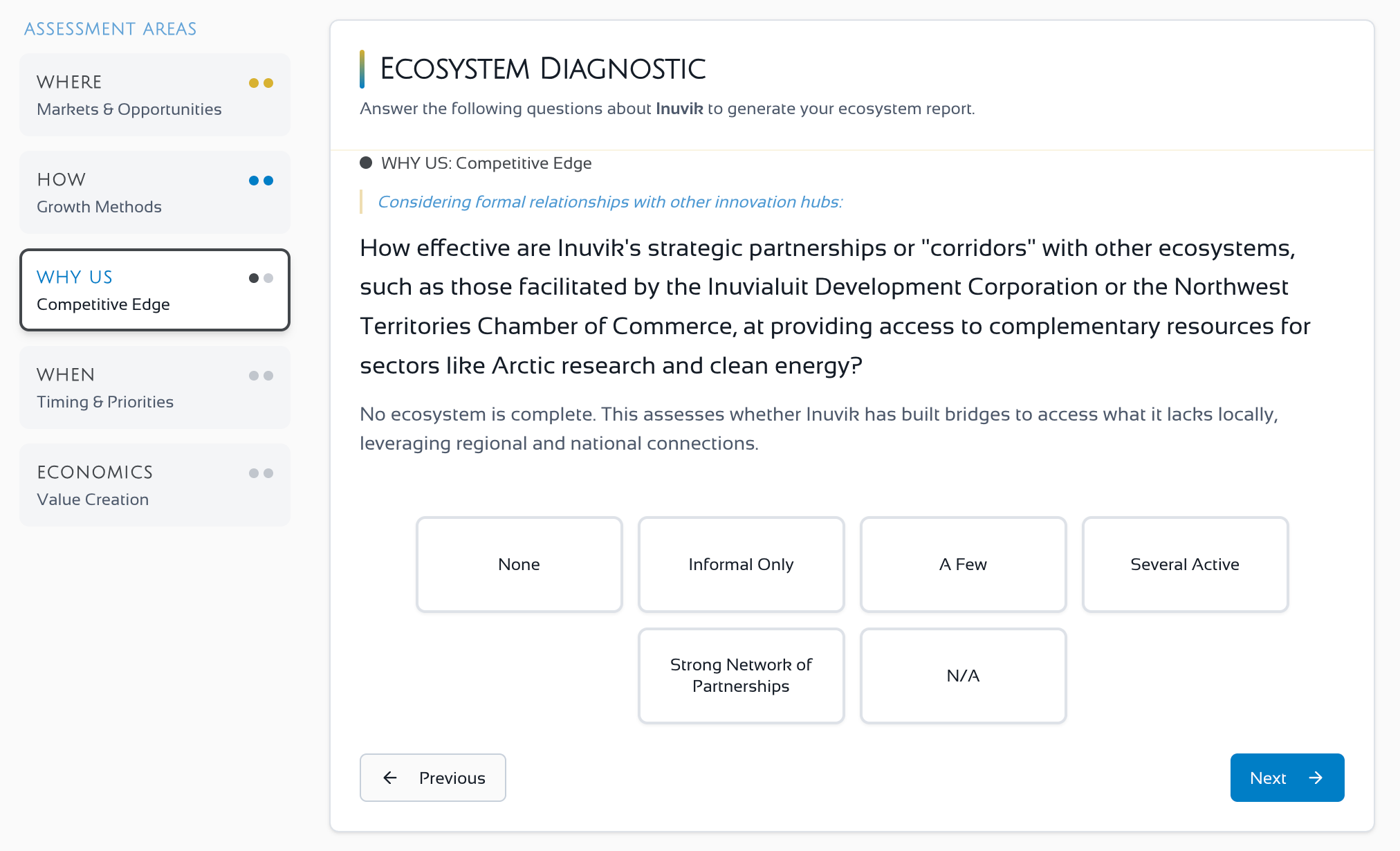
Coordination within an innovation ecosystem is crucial; forging productive strategic partnerships that promote knowledge transfer and FDI strengthens everyone.
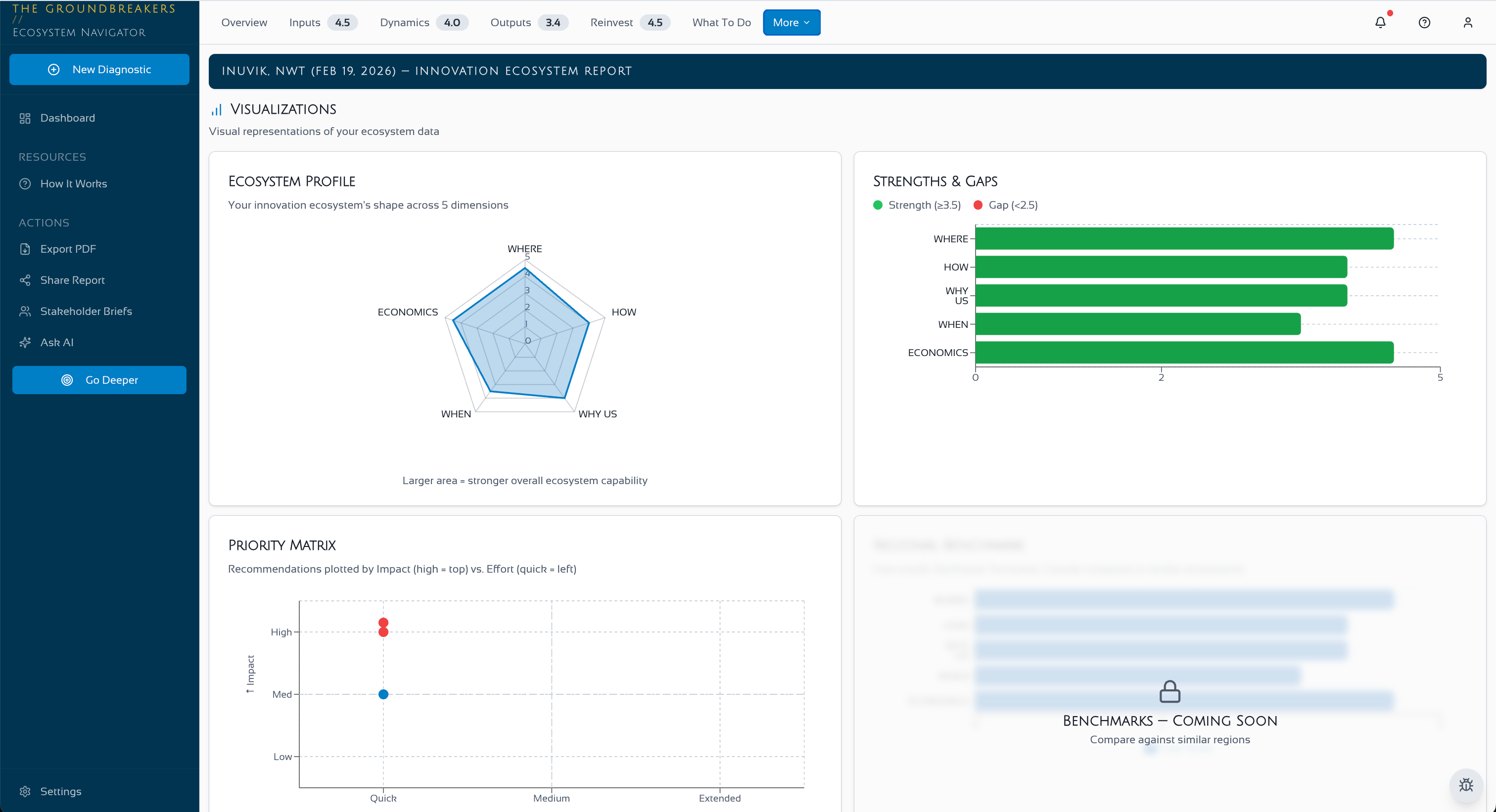
The diagnostic presents the local innovation ecosystem as a virtuous innovation cycle:
Inputs: research, talent, and capital
Dynamics: knowledge flow and interconnections
Outputs: applied research, IP, startups, products, jobs
Reinvestment: recycling success back into the system
How innovation flows in Inuvik. (Screenshots from a sample report.)

When the diagnostic is run by people with a clear idea of its true current capabilities, the resulting report is an excellent place to begin optimizing the ecosystem. (Sections of the report include an executive summary, the 4 parts of the virtuous innovation cycle, recommendations, strategic analysis, asset map, visualizations, and system readiness.)
Defence, Critical Industries, Economic Development, and Quality of Life
Every community has an innovation ecosystem. No innovation ecosystem is perfect. The key lies in seeing it for what it is: a complex adaptive system whose evolution and growth we can intelligently influence. When we understand how well its actors and assets are connected and performing, we are empowered to act with greater precision and impact, optimizing for and accelerating economic growth. That’s jobs, hope, future-proofing and economic resilience.
In Canada, on defence, the official national policy is designed to strengthen security, create prosperity, and reinforce strategic autonomy. For communities everywhere, it is the same game, adapted to their local context and building upon their unique local strengths: secure a prosperous economic future.